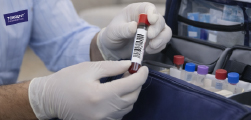
Hemoglobin A1c, HbA1c
- Blood
A Hemoglobin A1c (HbA1c) test is a vital blood investigation used to measure your average blood sugar levels over the past 2–3 months. Unlike a single fasting glucose reading, the HbA1c test provides a long-term picture of glucose control, making it essential for diagnosing and monitoring diabetes and prediabetes.
The test evaluates the percentage of glucose attached to hemoglobin, the oxygen-carrying protein in red blood cells. A higher HbA1c levels indicate consistently elevated blood sugar levels, which may increase the risk of diabetes related complications affecting the heart, kidneys, nerves, and eyes.
At Torrent Diagnostics, the HbA1c lab test is performed using global standard automated analyzers with strict internal quality controls to ensure high accuracy and reliable clinical interpretation. The test requires no special preparation and can be done at any time of the day.
Why is the HbA1c test done?
Who should get tested?
- Adults aged 45 and above, with follow-up frequency based on results
- Individuals under 45 with risk factors including:
- Prediabetes
- Obesity/overweight
- Family history of diabetes
- High BP/cholesterol
- Heart disease history
- Sedentary lifestyle
- Previous gestational diabetes
- High-risk ethnic groups
- PCOS
How to Read the Results?
Normal range
Normal HbA1c levels fall below 5.7%, indicating average blood glucose under 117 mg/dL (6.5 mmol/L). Non-diabetic individuals typically show values between 4-5.5%. Levels under 42 mmol/mol are considered normal, though they tend to increase with age.Prediabetes range
HbA1c between 5.7-6.4% indicates prediabetes, with average blood glucose typically ranging from 117-137 mg/dL (6.5-7.6 mmol/L) or 42-47 mmol/mol according to ICMR and WHO standards. This range suggests blood glucose levels are higher than normal, putting you at increased risk for developing type 2 diabetes without lifestyle modifications.Diabetes range
According to ADA and ICMR guidelines, diabetes is diagnosed when HbA1c reaches 6.5% or higher on two separate tests. This corresponds to average blood glucose levels of 140 mg/dL or above. Using international units, diabetes is indicated at 48 mmol/mol or higher. Once diagnosed, treatment typically involves a combination of medications and lifestyle changes.Target levels for people with diabetes
Most diabetics aim for an HbA1c of 7% or less. However, target ranges are individualized based on diabetes type, age, comorbidities, and hypoglycemia risk.- For most type 2 diabetes patients, medical bodies like ICMR and AIIMS suggest maintaining levels between 7-8%.
- Research shows that aggressive lowering below 6.5% hasn't demonstrated improved outcomes but may increase medication-related risks.
When to retest?
What to Ask the Doctor?
What does my result mean for me?
Discuss your personalized target range with your doctor. Your goals are customized based on factors like age, overall health status, and duration of diabetes. For instance, if you have multiple health conditions, your target might be set between 7.5-8% rather than the standard below 7% recommended by ICMR and ADA guidelines.Should I change my treatment plan?
If your results exceed your target range, your doctor may modify your medication regimen or recommend more frequent blood glucose monitoring. For results under 6.5%, your current treatment approach might be adjusted downward.How often should I get tested?
How often you need to test depends on how well you manage your diabetes. For stable levels meeting targets, semi-annual testing suffices. If your levels fluctuate or treatment changes occur, quarterly testing becomes necessary. According to ICMR guidelines, testing shouldn't exceed four times annually.Can other conditions affect my result?
Several health conditions can impact HbA1c accuracy:- Anemia and iron deficiency
- Kidney or liver disease
- Pregnancy
- Blood disorders like thalassemia
What lifestyle changes can help?
Weight management is crucial for diabetes control. Regular physical activity, balanced nutrition avoiding artificial sweeteners, and stress management can improve HbA1c levels. Research shows that basic dietary control combined with exercise can reduce HbA1c by 0.74% within three months.