



Fear of Needles? Making Blood Collection Smarter With OptiDraw

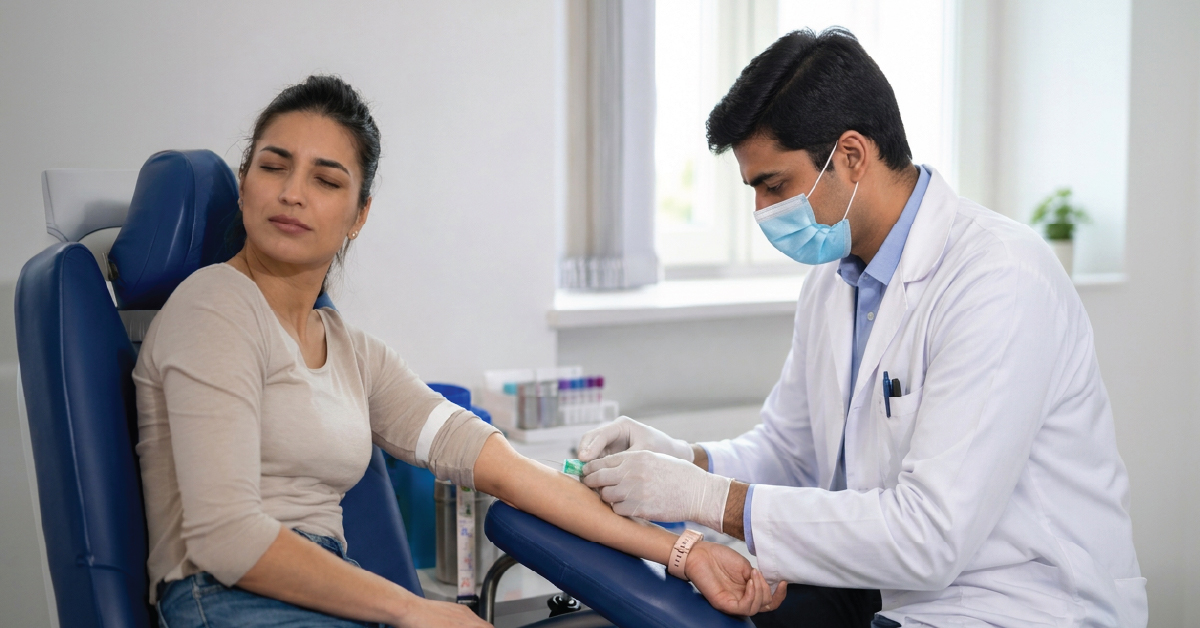
Table of Contents
Your appointment is in three days. You know you need this blood test; your doctor was clear about that. But every time you think about it, your heart races. You imagine the needle, the vial filling with blood, the phlebotomist searching for a vein. Maybe you’ve already rescheduled once. Maybe twice. You tell yourself you’re being ridiculous, that it’s just a quick procedure, that everyone else manages fine. But that doesn’t make the dread go away.
We believe that the experience of a blood draw matters just as much as the results it produces. That’s why we’ve introduced OptiDraw technology. It is an advanced blood collection method that addresses many of the factors that make needle procedures so distressing. By requiring up to 50% less blood and completing procedures more quickly, OptiDraw reduces both the duration and visual intensity that often amplify needle-related fear. Here's everything you need to know about OptiDraw: The New Standard In Smarter Blood Collection.
Here’s everything you need to know about needle phobia and how OptiDraw can help you improve the experience.
Understanding Needle Phobia: You’re Not Alone
If you experience needle phobia, you’re far from alone. Trypanophobia, the clinical term for needle phobia, is recognized as a legitimate specific phobia. Research shows that 20-30% of adults share this fear to varying degrees. And for about 10% of people, the fear is severe enough that they avoid necessary medical procedures altogether. That means delayed diagnoses, postponed treatment, and health conditions that progress undetected because the barrier of a blood draw feels insurmountable.
Also, there’s something important you need to understand. Needle anxiety affects not just the moment of the procedure, but your willingness to seek necessary medical care. And the fear often has less to do with pain than you might think.
What Makes Needle Phobia Different
For people living with fear of needles, the anticipation can be worse than the actual procedure. This isn’t just nervousness; it’s a cascade of psychological and physical responses that can include:
- Anticipatory anxiety that builds for days or weeks before an appointment. You might find yourself thinking about the upcoming blood draw constantly, imagining worst-case scenarios, or experiencing physical symptoms like nausea or insomnia as the date approaches.
- Vasovagal response, which occurs in approximately 15-20% of individuals with severe needle phobia. This physiological reaction involves a sudden drop in blood pressure and heart rate that can lead to dizziness, nausea, or fainting.
- Learned fear from past experiences like a phlebotomist struggled to find your vein and had to try multiple times or maybe you fainted during a vaccination.
How OptiDraw Technology Addresses Fear of Needles
OptiDraw doesn’t eliminate needle phobia; no technology can do that. But it addresses several specific factors that make blood draws psychologically difficult, creating a more manageable experience for people who struggle with needle-related fear.
Duration Matters More Than You Realize
Blood draw anxiety often intensifies as the appointment approaches, with some people experiencing symptoms days in advance. But during the actual procedure, every second feels amplified. When you’re anxious, your perception of time distorts; a 30-second blood draw can feel like several minutes of enduring something you desperately want to escape.
This is where OptiDraw technology makes a tangible difference. By requiring only 2 ml of blood instead of the conventional 4-5 ml, the actual collection time is roughly cut in half. That might sound like a small change, but when you’re in the chair with your eyes squeezed shut and your muscles tensed, those saved seconds matter enormously.
The faster procedure means:
- Less time with the needle in your arm
- Shorter duration of the sensation you’re dreading
- Reduced opportunity for your anxiety to escalate
- Quicker return to feeling safe and in control
Also, OptiDraw’s smaller blood volume requirement creates a less intimidating visual experience. With smaller tubes (just 2 ml compared to conventional methods), the overall visual footprint of the procedure is reduced, and the entire experience feels less invasive.
Also read about Optidraw And Chronic Testing: What It Means For Patients Who Test Often.
Maintaining Accuracy Without Compromise
One concern that often surfaces is whether less blood means less reliable results. This worry is completely understandable, if you’re going to endure something you fear, you want to be certain it’s worth it.
OptiDraw delivers the same results you can trust with up to 50% less blood. The technology doesn’t compromise on quality; it simply collects blood more efficiently using precision vacuum technology to draw exactly what’s needed for accurate testing.
Every OptiDraw sample undergoes Torrent Diagnostics’ standard 3X quality checks before your report is generated. This triple verification process ensures that results meet the highest accuracy standards regardless of sample size. More blood doesn’t mean better results; proper collection technique, handling, and laboratory processes determine accuracy, and OptiDraw excels in all these areas.
Practical Ways to Manage Needle Anxiety During Blood Tests
Overcoming needle fear doesn’t mean eliminating it entirely, it means making it manageable enough that you can receive the healthcare you need. Here are evidence-based strategies that can help, whether you’re using OptiDraw technology or facing a conventional blood draw.
Before Your Appointment
- Communicate openly with your healthcare provider about your needle anxiety.
- Stay hydrated. Dehydration makes veins harder to access, which increases the likelihood of multiple needle attempts.
- Avoid researching or visualizing the procedure as it increases anxiety rather than preparing you.
During the Procedure
- Use distraction techniques like bring headphones and listen to music, a podcast, or an audiobook during the draw or look away from your arm and focus on a specific object in the room.
- Practice slow, deep breathing as it activates your parasympathetic nervous system and helps counter the fight-or-flight response.
- Request to lie down if you have a history of feeling faint or dizzy during blood draws.
- Bring a support person because having someone you trust present during the procedure can provide emotional comfort and practical support.
After the Procedure
- Stay seated for a few minutes even if you feel fine after the blood draw.
- Document coping strategies that worked well for you as it will be valuable for your next blood draw.
Ready to Experience The Difference?
If needle anxiety has kept you from necessary blood testing, OptiDraw technology offers a more manageable alternative. By requiring up to 50% less blood, completing procedures more quickly, and reducing the visual intensity of the experience, it addresses several specific triggers that amplify needle anxiety.
Combined with evidence-based coping strategies and compassionate healthcare providers, OptiDraw can help transform blood draws from something you avoid at all costs to something you can face when necessary. Check out our full body packages that offers comprehensive assessment with home sample collection.
Rate the article

Comments